
Farrow & Ball Setting Plaster in an Edwardian Restoration: A Gentleman’s Guide
The Edwardian era, a brief but influential period in British design history, is often characterised by its refined elegance, lightness, and sophisticated colour palettes. This stands in stark contrast to the heavier, more ornate Victorian style that preceded it. When embarking on an Edwardian restoration, achieving the right atmosphere is paramount, and colour plays a crucial role. Farrow & Ball’s Setting Plaster is a colour perfectly poised to capture the essence of this period. Its gentle warmth, understated sophistication, and subtle nod to aged plasterwork make it an ideal choice for breathing life back into Edwardian homes. This guide will explore how to effectively utilise Setting Plaster in your Edwardian restoration project, covering everything from selecting complementary colours to understanding its nuanced character and ensuring you get the best possible finish.
Understanding the Allure of Setting Plaster
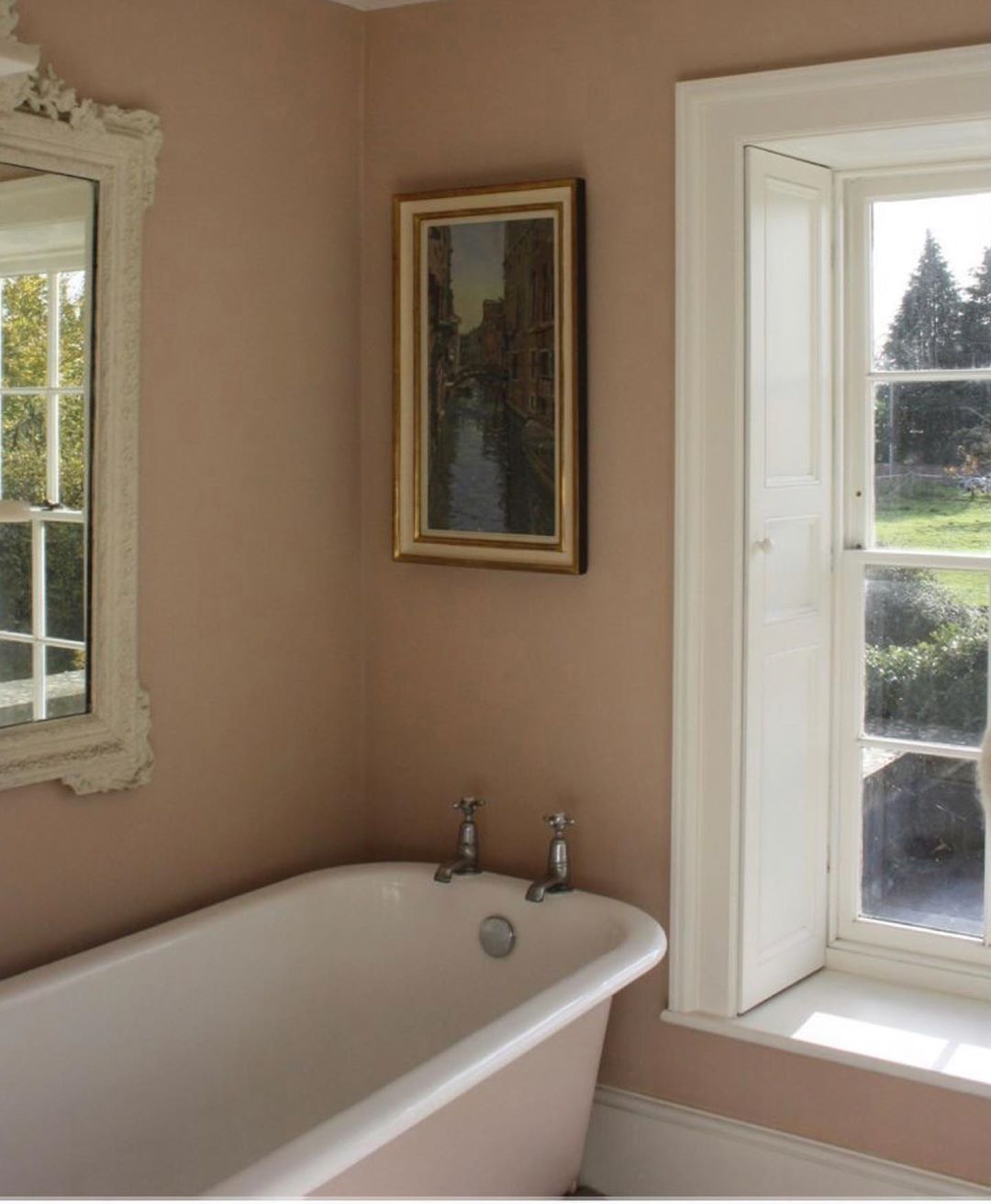
Setting Plaster, with its gentle rose-pink undertones and subtle grey quality, is much more than just a pretty paint colour. It possesses a historical depth that resonates perfectly with the Edwardian aesthetic. Edwardian homes often featured delicate floral wallpapers, subtle plasterwork detailing, and light-filled rooms. Setting Plaster complements these features beautifully, acting as a soft, neutral backdrop that enhances, rather than overwhelms. Its warmth brings a sense of comfort and livability, crucial elements of Edwardian design.
Furthermore, the colour itself evokes the feeling of aged lime plaster, a common building material of the time. This connection to traditional materials adds an authentic touch to any restoration project, grounding the space in its historical context. The subtle grey notes within the colour prevent it from being overly saccharine, ensuring it remains sophisticated and versatile.
Where to Use Setting Plaster in Your Edwardian Home
Setting Plaster’s versatility allows it to be used throughout the home, adapting to different spaces and serving various functions. Here are a few ideas for incorporating it into your Edwardian restoration:
- Living Rooms: In living rooms, Setting Plaster creates a warm and inviting atmosphere, perfect for entertaining or relaxing. Consider pairing it with natural textures like linen and wool, and incorporating antique furniture and soft lighting to enhance the cosy feel. Using it on the walls allows ornate cornicing or picture rails to really stand out.
- Bedrooms: For bedrooms, Setting Plaster fosters a sense of calm and tranquility. It works particularly well in rooms with plenty of natural light, where its subtle pink undertones can really shine. Consider pairing it with crisp white bedding and delicate floral accents for a classic Edwardian look.
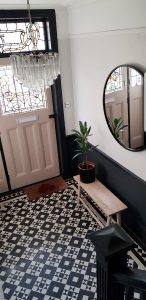
- Hallways and Stairwells: Edwardian hallways and stairwells were often designed to be bright and welcoming. Setting Plaster can help achieve this, creating a sense of continuity and flow throughout the home. Consider pairing it with dark wood accents, such as a mahogany bannister, for a touch of elegance.
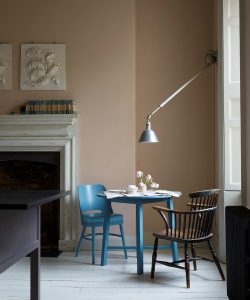
- Kitchens: While kitchens in the Edwardian era were often more functional than decorative, Setting Plaster can still be used to create a charming and inviting space. Consider using it on the walls or cabinets, pairing it with natural materials like wood and stone for a rustic touch. Its subtle warmth can soften the hard edges of more modern kitchen appliances.
Complementary Colours and Materials
Choosing the right complementary colours is essential for creating a cohesive and harmonious Edwardian scheme. Here are some colours and materials that work particularly well with Setting Plaster:
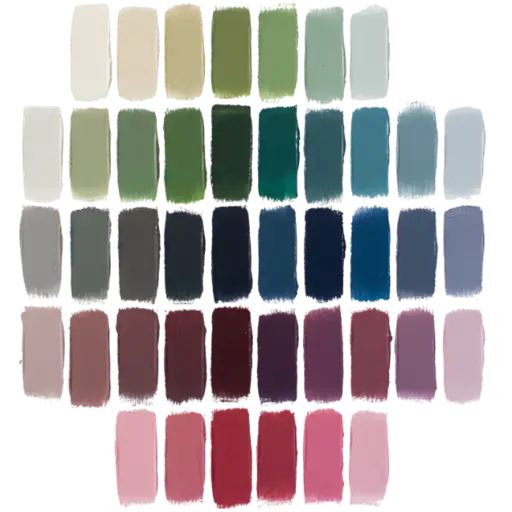
- Whites and Creams: Crisp whites, such as Farrow & Ball’s Wimborne White or Pointing, provide a classic contrast to Setting Plaster, enhancing its warmth and creating a sense of light and airiness. Softer creams like Old White can be used for a more subtle and understated effect.
- Greys: Soft greys, particularly those with warm undertones, can be used to create a sophisticated and calming atmosphere. Consider colours like Cornforth White or Pavilion Gray for a subtle contrast, or deeper charcoal greys like Railings for a more dramatic effect.
- Greens: Soft, muted greens, such as Farrow & Ball’s Green Ground or Mizzle, can add a touch of natural elegance to a scheme featuring Setting Plaster. These colours evoke the gardens and landscapes that were popular during the Edwardian era.
- Blues: Pale blues, particularly those with grey undertones, can create a calming and sophisticated atmosphere. Consider colours like Parma Gray or Borrowed Light for a subtle contrast.
- Wood: Natural wood tones, such as oak, mahogany, and walnut, work beautifully with Setting Plaster, adding warmth and texture to the space. Consider incorporating antique wooden furniture or using wood flooring for a classic Edwardian look.
- Brass and Copper: Brass and copper accents add a touch of elegance and sophistication to any scheme featuring Setting Plaster. Consider incorporating brass light fixtures, door handles, or picture frames for a touch of understated glamour.
Achieving the Perfect Finish with Setting Plaster
To truly capture the Edwardian spirit, attention to detail is crucial. This includes selecting the right paint finish and ensuring a professional application. Farrow & Ball offers Setting Plaster in a range of finishes, each suited to different surfaces and requirements:
- Estate Emulsion: Ideal for interior walls and ceilings, Estate Emulsion provides a signature chalky matte finish that enhances the depth of colour and creates a soft, inviting atmosphere.
- Modern Emulsion: A more durable and washable option, Modern Emulsion is suitable for high-traffic areas like hallways and kitchens. It offers a subtle sheen that is still in keeping with the Edwardian aesthetic.
- Estate Eggshell: Ideal for interior woodwork, furniture, and metalwork, Estate Eggshell provides a durable and elegant mid-sheen finish.
Top Tips for Application:
- Preparation is Key: Ensure surfaces are clean, dry, and properly primed before applying Setting Plaster. This will ensure optimal adhesion and a flawless finish.
- Use Quality Tools: Invest in high-quality brushes and rollers for a professional application. This will help to minimise brushstrokes and ensure even coverage.
- Apply Multiple Coats: Apply at least two coats of Setting Plaster for optimal coverage and depth of colour. Allow each coat to dry completely before applying the next.
- Consider the Lighting: Natural light can dramatically affect the appearance of Setting Plaster. Test the colour in different areas of the room and at different times of day to ensure you are happy with the result.
Navigating the Cost: Exploring Trade Matches and Dupes
Farrow & Ball paints, renowned for their quality and depth of colour, often come with a higher price tag. For those working on a budget, exploring trade matches or “dupes” can be a viable option. Several paint manufacturers offer colours that closely resemble Setting Plaster, providing a similar aesthetic at a lower cost. However, it’s important to remember that colour is subjective, and the nuances of Farrow & Ball’s formulations are difficult to perfectly replicate. Always test a sample of any dupe before committing to painting an entire room. For exploring the trade match or dupe, remember to see more here
Conclusion: Capturing the Edwardian Spirit
Incorporating Farrow & Ball’s Setting Plaster into your Edwardian restoration project is a surefire way to capture the refined elegance and sophisticated charm of the era. By understanding the colour’s nuances, selecting complementary colours and materials, and ensuring a professional application, you can create a space that is both historically accurate and effortlessly stylish. Whether you opt for genuine Farrow & Ball or explore more affordable alternatives, Setting Plaster’s subtle warmth and timeless appeal will undoubtedly transform your Edwardian home into a haven of tranquility and understated beauty. Embrace the legacy of Edwardian design and let Setting Plaster set the stage for a truly remarkable restoration.