
Biophilic Minimalism: A Timeless Sanctuary
I’ve witnessed many trends come and go. What truly endures, however, are spaces that foster a sense of wellbeing, blending aesthetic appeal with practical functionality. Right now, I believe we’re entering an era where these values are taking centre stage, epitomised by what I like to call “Biophilic Minimalism”.
It’s a design philosophy that marries the clean lines and uncluttered essence of minimalism with the restorative power of nature, creating interiors that feel both sophisticated and inherently calming. Think Shea McGee’s approachable elegance meets Alyssa Kapito’s timeless restraint. It’s about curating a sanctuary that nourishes the soul, a space where you can truly unwind and reconnect with what matters most.
Embracing the Essence of Biophilic Design
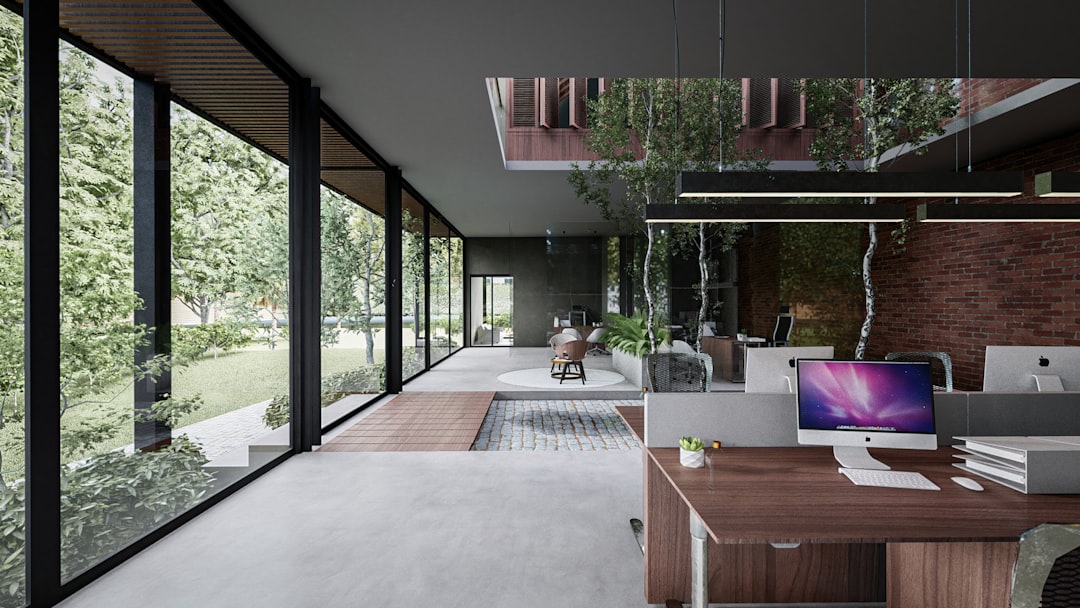
The core principle of biophilic design is simple: to connect us with nature in our built environment. This goes beyond simply adding a few houseplants (although that’s certainly a good start!). It involves carefully considering natural light, ventilation, textures, and materials to create a space that mimics and enhances the natural world.
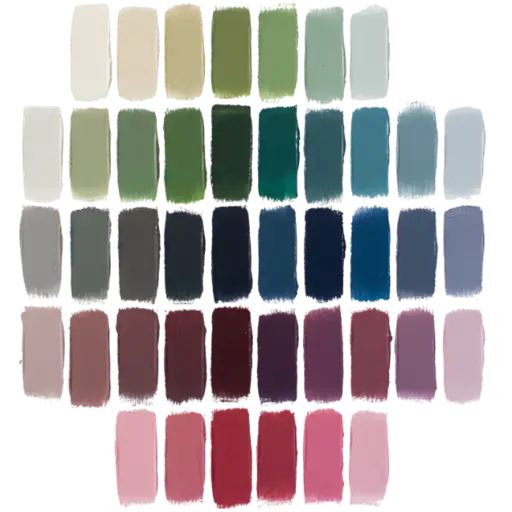
One of the most impactful ways to achieve this is through colour. Forget overly bright hues and jarring contrasts. Instead, look to nature’s palette for inspiration. Soft greens, muted blues, earthy browns, and warm greys create a soothing backdrop that promotes relaxation. Consider the LRV (Light Reflectance Value) of your chosen paint. In British homes, where natural light can be limited, especially during the winter months, selecting colours with a higher LRV is crucial to maximise brightness and create a more welcoming atmosphere. A darker colour might appear stunning in a photograph, but in a real British home, it could result in a gloomy, claustrophobic feel.
Before you commit to a colour, it’s wise to use a paint calculator to determine how much you’ll need. Also, with the advancement of tech, getting a paint colour match is now easier than ever with tools like those available on dupecoat.app. This can help you recreate a favourite colour or find a complementary shade.
The Minimalist Foundation
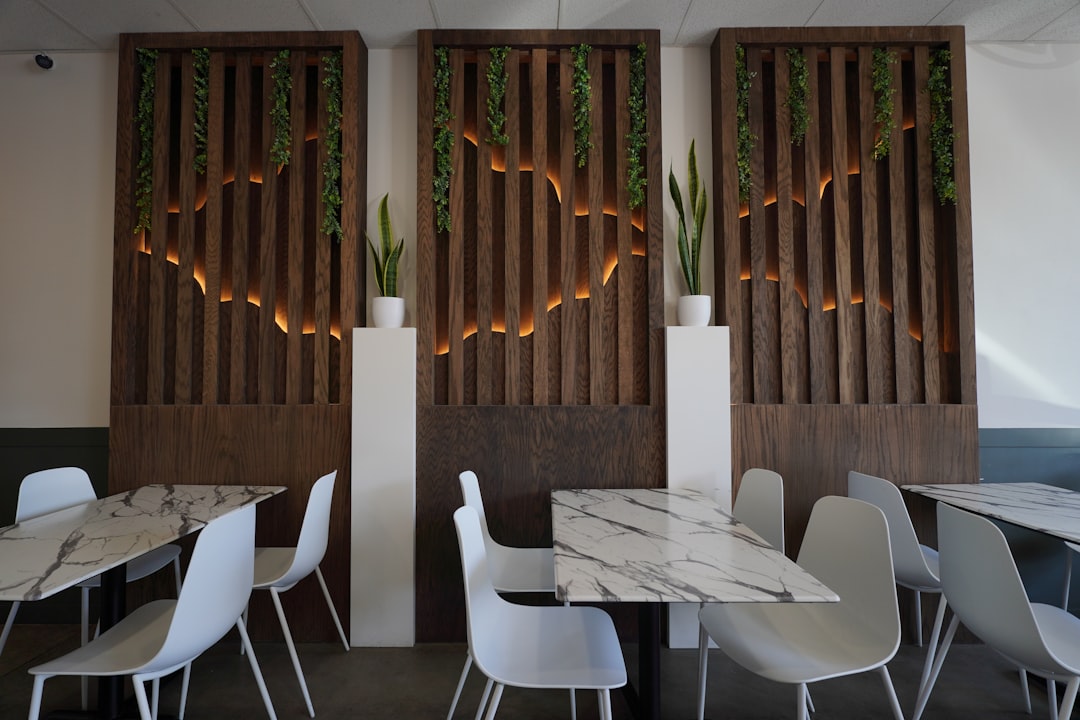
Now, let’s talk about the “minimalist” aspect. This isn’t about stark, sterile spaces devoid of personality. It’s about intentionality, focusing on quality over quantity, and creating a sense of spaciousness and order. Clutter is the enemy of calm, so declutter ruthlessly. Only keep items that you truly love or that serve a practical purpose.
Invest in well-crafted, durable pieces that will stand the test of time. Think solid timber furniture with clean lines, comfortable upholstery in natural fabrics, and carefully chosen accessories that add personality without overwhelming the space.
The Power of Texture
Texture plays a vital role in bringing warmth and depth to a biophilic minimalist interior. Think natural materials like linen, wool, cotton, and jute. Incorporate tactile elements such as woven baskets, hand-knitted throws, and textured ceramics.
Timber is another essential element. Whether it’s exposed beams, timber flooring, or a beautifully crafted timber table, it brings a sense of natural warmth and grounding to the space. Consider using reclaimed timber for an extra layer of character and sustainability.
Maximising Natural Light and Ventilation
Natural light and ventilation are crucial for creating a healthy and vibrant living environment. Maximise natural light by keeping windows clear and unobstructed. Use sheer curtains or blinds to diffuse the light and create a soft, inviting glow.
Consider the placement of your furniture to ensure that it doesn’t block natural light. Mirrors can also be strategically placed to reflect light and make a room feel larger and brighter.
Good ventilation is equally important for maintaining healthy indoor air quality. Open windows regularly to allow fresh air to circulate throughout the space. Consider installing a whole-house ventilation system to ensure a constant supply of fresh air, especially in modern, airtight homes.
Remember that in the UK, the quality of light changes dramatically throughout the year. This impacts how colours appear and also the type of artificial lighting you’ll need. Warmer toned bulbs are generally preferred in living spaces to create a cosy atmosphere, while brighter, cooler tones may be better suited for kitchens and bathrooms. Dulux.co.uk is a great resource for understanding paint finishes and their impact on light reflection.
Bringing the Outdoors In
Beyond colour and texture, bringing actual elements of nature into your home is essential. As mentioned earlier, houseplants are a fantastic way to add life and vibrancy to a space. Choose plants that thrive in indoor conditions and that purify the air.
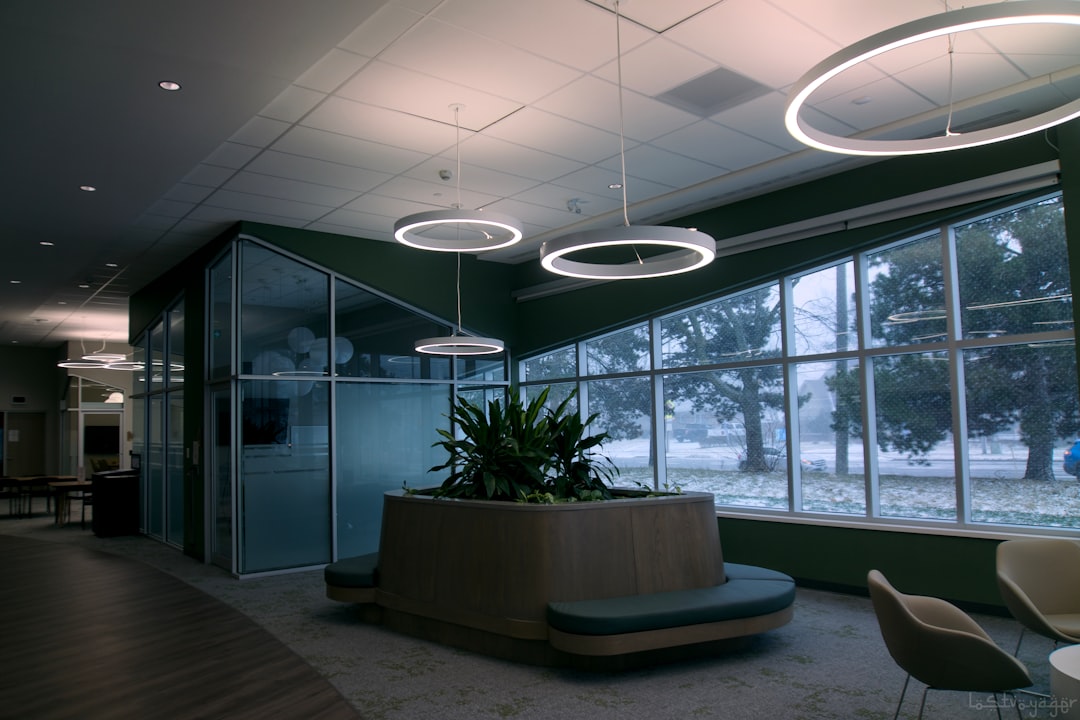
Consider incorporating natural elements into your décor. Display seashells, stones, or driftwood collected from your favourite beach. Create a terrarium or a small indoor garden.
You can also incorporate nature-inspired artwork and photography. Choose pieces that depict natural landscapes, botanical prints, or images of animals. These elements can help to create a sense of connection with the natural world, even when you’re indoors. You can find inspiration regarding colour palettes and how they relate to the natural world at NCSColour.com.
Key Elements of Biophilic Minimalism
- Natural Light: Maximise and diffuse natural light.
- Natural Materials: Prioritise timber, linen, wool, cotton, stone, and other natural textures.
- Earthy Colour Palette: Greens, blues, browns, and greys inspired by nature. Consult Sherwin-Williams.com for a great range of eco-friendly paints.
- Houseplants: Choose air-purifying varieties.
- Minimalist Furnishings: Focus on quality, functionality, and clean lines.
- Decluttered Spaces: Reduce visual noise and create a sense of calm.
- Organic Shapes: Introduce curved lines and natural forms.
- Biophilic Patterns: Mimic natural patterns in textiles, wallpaper, or artwork.
- Consider local UK lighting standards: Understand how different lights effect your decor.
Final Thoughts
Biophilic Minimalism is more than just a trend; it’s a design philosophy that promotes wellbeing and creates spaces that nurture the soul. By embracing the principles of biophilic design and minimalist living, you can create a home that is both beautiful and deeply restorative.
It’s about creating a space that is authentic to you, a reflection of your values and your connection with the natural world. Remember to embrace imperfections, celebrate the beauty of natural materials, and create a space that tells your story.
We believe that your dream interior is possible at the tips of your fingers, download our app today for further inspiration!
Photography by Don Kaveen via Unsplash, lost voyager via Unsplash, Brett Wharton via Unsplash